Preventative Truck Maintenance is Key to Managing a Great Fleet

Mainline Truck Team • December 11, 2024

As a fleet manager, one of the last things you want to see is a major vehicle breakdown that disrupts productivity. A breakdown isn't only costly in terms of the direct repair bill; it can cause a cascade effect of wasted money from all other areas of the business which were relying on that vehicle. The combined losses can be huge.


While it's always possible for something truly unexpected to happen on the road, most major breakdowns are preventable - through preventative maintenance. Staying on top of your truck maintenance and repairing/replacing components before they cause a breakdown will save a lot of money in the long run. It'll also improve overall efficiency, reduce wasted costs, and even keep your drivers happy by ensuring they're in safe vehicles.


So, in this guide, we'll be digging into preventative maintenance (PM): Why it's so important, and how to create a PM schedule that can drastically reduce your chances of breakdowns.

I. The Benefits of Preventative Truck Maintenance 

Simply put, preventative maintenance is about making repairs before something goes terribly wrong. For example, recognizing that a battery is nearing its end-of-life, and replacing it before it goes bad. Or replacing your trucks' tires on a regular basis, rather than waiting until their tread goes bare. 


Preventative maintenance can occasionally feel like 'fixing something that ain't broke,' but the point is that you can reasonably predict when it will break. And since you don't want it to break, proactively fixing it ahead of time will simply avoid problems.


Preventative maintenance brings several big benefits:


1 - Fewer breakdowns

This is the big one. A single on-road truck breakdown can easily cost five figures, or more, for the repair bill and any downstream impact from the delay. So often, these sorts of breakdowns are preventable. By keeping track of the components in a truck - typically using a spreadsheet or dedicated vehicle maintenance software - you can proactively replace or repair any components nearing their end of life, or that are showing flaky performance. 


2 - Improved on-road efficiency

Preventative maintenance also saves money, even when nothing goes terribly wrong. A well-maintained vehicle is an efficient vehicle, with minimum extra costs involved. This is particularly clear when it comes to fuel costs. Fuel is expensive, and costs can be unpredictable. By keeping the tires in good shape, the engine well-tuned, and the exhaust system running well, you can minimize fuel costs and prevent needless waste.


3 - Better vehicle value

Your vehicles aren't just working tools, they're also an investment into an asset. That asset should last as long as possible, to maximize the returns on the original investment. In addition, there's always the chance of needing to sell or trade the vehicle in the future. The better it's maintained, the more value it will hold - potentially reducing costs when it's time for a major fleet upgrade.


4 - Morale boosts

A great PM plan will also tend to impress your drivers, and other workers maintaining your trucks. Drivers are always going to be more enthusiastic about operating machines that they know are safe and well-maintained. This can even be a selling point when you're trying to recruit new drivers. Being able to say you have a safety-focused fleet is a great way to pull in top-tier talent. 


5 - Planned expected downtimes

Occasionally a vehicle will simply need a few days in the shop for repairs and upgrades. Wouldn't it be better to plan for that ahead of time, and adjust your schedule around the expected downtime? This can greatly reduce the costs associated with a major renovation while minimizing any impact on the rest of the business.


II. Refocusing on Preventative Maintenance 


So, if a shop wanted to put a higher priority on PM, where should they start? 


1 - Invest in software

Proper preventative truck maintenance needs a software solution behind it. This could potentially be as simple as a spreadsheet maintained by hand, but it's typically better to invest in a dedicated vehicle management software system. 


This software can keep track of every vehicle in your fleet while tracking numerous facts and statistics about it: mileage, gas usage, expected lifespans of each component, and more. The best software packages can even send alerts, such as reminding you that the tires on a certain vehicle are approaching 50,000 miles and thus probably near their end-of-life. Then you can have the tires retreaded or replaced, quickly and easily, without risk of blowout.


In some cases, software can even connect to other systems, such as the GPS system in a vehicle. Then it can automatically download stats like mileage, straight from the truck's computer, without the chance of human error.


2 - Keep the crew involved

Your PM database should be maintained by everyone who touches the truck. Any and all maintenance, even something as simple as putting air in a tire, should be recorded. Chances are you're tracking some of this already, but it should be put forward as a group effort where everyone contributes to improving safety and efficiency.


3 - Determine maintenance priorities

Some aspects of fleet maintenance are universal, such as tracking mileage and repairs to major components. However, there will always be individual wrinkles based on each vehicle and its utilization. Think about how each vehicle is used, and what aspects of maintenance are most important for its job role. 


4 - Get buy-in from higher levels

While you probably have a fair amount of autonomy as a fleet manager, it's always a good idea to have friends in high places. Convince your manager(s) of the importance of PM and create allies. This will make it far easier to make the (relatively small) investments needed to get your PM initiative up and running, without pushback. 


III. Creating a Preventative Maintenance Schedule


So, with the groundwork laid, let's look at the nuts and bolts of preventative truck maintenance.


1 - Know what you need to do

Every vehicle should have its own list of necessary maintenance tasks, including:


  • Tire inspections and pressure checks, with rotation/alignment/etc
  • Fluid checks and refills
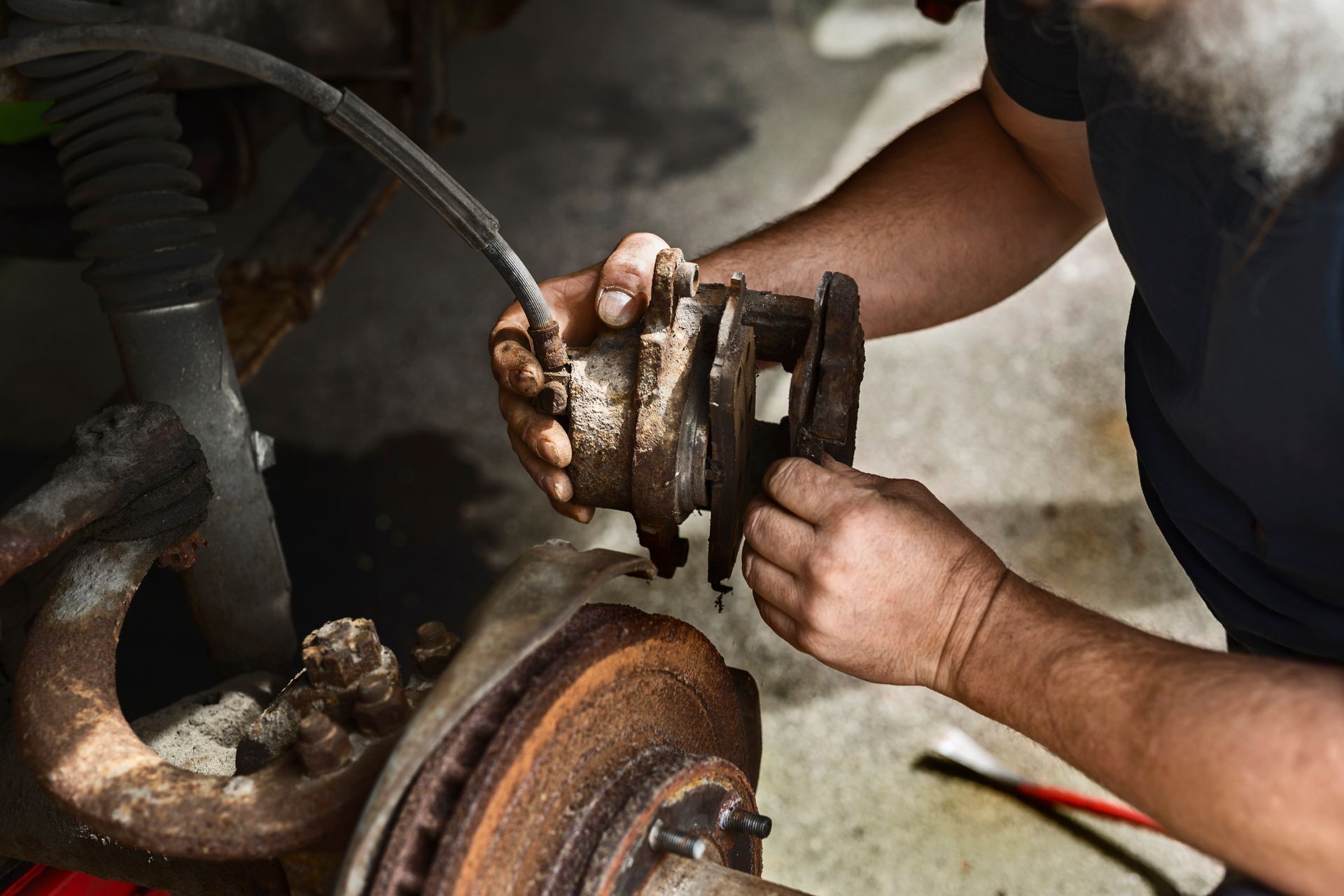
  • Brake inspections
  • Electrical and lighting inspections
  • Filter changes
  • Inspecting safety equipment - seat belts, airbags, etc
  • Monitoring the emissions system
  • Verifying trailer hitches, hookups, and similar connectors
  • Inspecting the trailer
  • Servicing the fifth-wheel platform
  • Suspension system inspections and maintenance


Be as thorough as possible. Consult with your maintenance crew, if necessary, to ensure nothing important is overlooked on the list.


2 - Figure out the schedule

Different tasks will need to be performed at different times on a vehicle. For example, it's a good idea to inspect tires on a very regular basis - every week, or possibly after each major run. On the other hand, the oil and other fluids only need to be changed every 5,000 miles or so. 


Every item in your schedule needs a time attached, with a method - again, software is best - for keeping track of whenever those bits of maintenance are done. 


In addition, it's a good idea to keep track of major components in each vehicle: the engine, the suspension system, the brakes, and so forth. Each of these will have an expected lifespan, either in years or mileage. Keeping track of those lifespans helps you repair/replace major components before something goes wrong.


3 - Keep track of everything

Just to reiterate: Anything done to the vehicle, no matter how minor, needs to be fed back into the schedule and database. This is something that must be impressed on your entire workforce. Preventative maintenance scheduling won't work if you don't know when/how components were last serviced.


4 - Proactively look for problems 

As you accumulate data about your ongoing maintenance, you'll be able to spot more problems before they happen. Does one truck need oil top-ups more frequently than other vehicles? It's probably leaking or burning oil somehow, which is a problem that needs to be investigated before it gets any worse. Likewise, tracking fuel use will often point to minor maintenance issues that, if fixed early, will prevent larger costs down the line.


In the end, preventative maintenance is all about preventing problems. Proper application of PM with a scheduling system to back it up will create a smoother-running vehicle system with far fewer unpleasant surprises. Your business will benefit, and all your workforce will appreciate it as well.


Mainline RV & Truck Service Can Keep Your Fleet In Great Shape!

Mainline isn't just Ohio's source for the best in truck and RV repairs, services, parts and upgrades. We're also a trusted partner for companies across the state, who rely on us for our excellent commercial truck maintenance contracts


For a fair, predictable fee, we can take over handling of all your preventative maintenance needs. We'll pick up your trucks whenever they need attention and return them as good as new, all according to a schedule that's built around your needs.

If it's time to overhaul your fleet's maintenance schedule, contact Mainline to make it happen!

Contact Us
June 30, 2026
When you are hauling heavy loads across long distances, your engine generates an immense amount of heat. The cooling system is the only thing standing between a productive day on the road and a catastrophic engine failure. At Mainline RV & Truck Service , we see how quickly a small cooling issue can escalate into a massive repair bill. Understanding how to troubleshoot your heavy-duty cooling system is essential for every fleet owner and operator. Efficient heat management ensures your engine runs within the optimal temperature range, preserving fuel economy and engine longevity. The High Stakes of Engine Temperature Management Heavy-duty engines are designed to operate under high pressure. However, they have a very low tolerance for overheating. When the cooling system fails, the internal temperatures of the engine block skyrocket. This leads to metal expansion beyond design limits. The most common result of chronic overheating is a cracked cylinder head. Replacing a head is a labor-intensive and expensive process that involves significant downtime. Regular heavy-duty truck service focuses on identifying weak points in the cooling circuit before they lead to these structural failures. Troubleshooting Thermostat Failures The thermostat is a small component that plays a massive role. It acts as a gatekeeper, regulating the flow of coolant between the engine and the radiator. When it fails, it usually does so in one of two ways: Stuck in the Closed Position: This is a critical failure. The coolant cannot reach the radiator to shed heat. Your temperature gauge will climb rapidly, often leading to an immediate overheat situation. Stuck in the Open Position: While less explosive, this causes the engine to run too cold. This prevents the engine from reaching its efficient operating temperature, leading to poor fuel mileage and increased soot buildup in the DPF system. If you notice erratic temperature fluctuations, it is time to have a commercial truck shop test your thermostat. Understanding Clutch Fan Issues Your truck’s cooling fan consumes a significant amount of horsepower. To save fuel, the clutch fan only engages when the engine reaches a specific temperature threshold. If your fan fails to engage, you will likely notice the truck stays cool while moving at highway speeds but begins to overheat when climbing grades or idling. Common signs of clutch fan failure include: The fan spinning freely with no resistance when the engine is off. The fan failing to "roar" or engage when the engine exceeds 200–210 degrees. Oil or fluid leaking from the fan clutch hub. A malfunctioning fan clutch puts unnecessary stress on the rest of the cooling system. If the air isn't being pulled through the radiator, the coolant cannot do its job. Why You Must Clean the Radiator Stack Heavy-duty trucks spend thousands of hours on highways and in industrial sites. Over time, the "stack," which includes the radiator, the charge air cooler (CAC), and the AC condenser, collects an incredible amount of debris. Dust, bugs, road salt, and plastic debris get sucked into the fins. This creates a physical barrier that prevents airflow. Even if your water pump and thermostat are working perfectly, a clogged radiator stack will cause the engine to run hot because there is no heat exchange happening. Cleaning Tips for Drivers: Visually inspect the front of the grill daily. Use low-pressure compressed air or water to blow out debris from the back toward the front. Avoid using high-pressure washers directly on the delicate fins, as this can bend them and permanently restrict airflow. The Role of Coolant Quality and Level It isn't just about the parts; it is about the fluid. Modern heavy-duty engines require specific Extended Life Coolants (ELC). Using the wrong coolant or mixing incompatible types can lead to "gelation," where the fluid turns into a thick sludge that plugs the radiator tubes. Furthermore, low coolant levels often point to a leak in the EGR cooler or a vibrating hose that has rubbed through. Small leaks might not leave a puddle on the ground because the fluid evaporates on the hot engine block. Keep a close eye on your reservoir levels during every pre-trip inspection. Preventing Cracked Heads with Heavy-Duty Truck Service Preventative maintenance is the only way to avoid the big repairs. A cracked head or a warped block is almost always the result of ignored cooling symptoms. When you bring your vehicle to a professional commercial truck shop, the technicians look for the subtle signs that a driver might miss. Professional maintenance includes: Pressure Testing: Checking the system for leaks that only appear under operating pressure. Coolant Analysis: Testing the chemical balance of the coolant to ensure it still protects against cavitation and corrosion. Belt and Hose Inspection: Replacing worn serpentine belts that drive the water pump before they snap. By staying ahead of these issues, you protect the core of your truck and ensure your uptime remains high. Identifying Water Pump Failure The water pump is the heart of the system. It circulates the coolant through the block and heads. If the pump's internal impellers erode or the bearing fails, the circulation stops. Watch for "weep hole" leaks. Most heavy-duty water pumps have a small hole designed to leak slightly when the internal seal begins to fail. If you see coolant dripping from the front of the engine near the pulley, your water pump is on its way out. Replacing a pump is a standard semi-truck repair that can save you from a total engine meltdown on the side of the interstate. Summary of Cooling System Health Keeping a heavy-duty engine cool is a balance of airflow, fluid movement, and mechanical timing. Airflow: Controlled by the clutch fan and the cleanliness of the radiator. Fluid Movement: Controlled by the water pump and thermostat. Integrity: Maintained by high-quality hoses, clamps, and seals. If any one of these three pillars fails, the engine is at risk. Monitoring your gauges and performing visual inspections are your first lines of defense. Contact Mainline RV & Truck Service for Semi-Truck Repair If your temperature gauge is climbing higher than usual or you’ve noticed a drop in cooling performance, don’t wait for a breakdown. The experts at Mainline RV & Truck Service specialize in comprehensive heavy-duty truck service to keep your fleet moving. Whether you need a radiator flush, a new fan clutch, or a complex engine diagnostic, our commercial truck shop has the tools and expertise to get the job done right. We understand that in the trucking industry, time is money. We focus on fast, accurate semi-truck repair to minimize your downtime and prevent costly engine damage. Contact us to schedule your service or learn more about our maintenance programs.
April 27, 2026
Stop the "white-knuckle" driving! Learn what causes motorhome porpoising and how professional RV suspension upgrades can restore safety and comfort to your ride.
April 21, 2026
Don't let your RV generator die from disuse! Learn why "exercising" your Onan generator prevents costly repairs and keeps your motorhome ready for the road.
April 13, 2026
Safe stopping is as vital as engine power when towing a heavy load. Many truck owners overlook trailer brakes until an issue arises. At Mainline RV & Truck Service , we handle various towing setups, primarily electric and surge brakes. Both systems stop a trailer safely, but they operate differently and require separate trailer maintenance approaches. Understanding these differences is essential for road safety. We offer an expert comparison, including specific maintenance needs. Understanding the Fundamental Differences Before discussing what keeps them running smoothly, we should look at how the two systems operate. Electric brakes get their power from an electrical signal sent from the tow vehicle. Pressing the truck’s brake pedal tells the brake controller to send electricity to powerful electromagnets inside the trailer’s drum brakes. These magnets engage an armature plate, which then forces the brake shoes out against the inside of the drum. Surge brakes use hydraulics and work on their own, independent of the truck’s electrical system. Their operation is based on inertia. When the truck begins to slow down, the trailer pushes forward into the hitch. That physical pressure compresses a master cylinder built into the trailer coupler, which then pumps hydraulic fluid to the brake cylinders or calipers. Because one system is powered by electricity and the other by fluid pressure, their weak points and overall maintenance needs are very different. Electric Brakes: Fine-Tuning and Electrical Integrity Electric brakes are standard equipment for nearly all travel trailers and large, heavy-duty flatbed trailers. Since they depend on a good connection between the truck and the trailer, maintenance starts right at the hitch and extends all the way to the brake shoes. Adjusting the "Gain" on Your Brake Controller A key part of operating electric brakes is a setting that you control from inside the truck’s cab, not on the trailer itself. The “Gain” value on your brake controller sets the amount of electrical power sent to the trailer brakes. If the gain is set too low, the truck does all the braking work, which leads to your truck’s rotors getting too hot and your stopping distance increasing. Setting the gain too high means the trailer brakes will lock up easily. Routine truck trailer repair and safety checks involve resetting the gain any time the weight of your load changes significantly. A carefully adjusted gain ensures the truck and trailer brake together, preventing unnecessary stress on either vehicle. Troubleshooting "Grabby" or Locking Brakes A common complaint is that the trailer brakes feel “grabby,” meaning they engage too suddenly or violently with only a little pedal pressure. Often, something is causing a maintenance issue. Common reasons include: Corrosion on the electromagnets: If the trailer has been sitting unused, rust can form and cause the magnets to stick when engaged. Incorrect Gain settings: As mentioned earlier, improper calibration is a frequent culprit. Grease on the shoes: A failed wheel seal can let grease leak onto the brake components, leading to unpredictable braking action. During a professional trailer repair inspection, mechanics remove the drums to check that the magnets are wearing evenly and confirm that no oil or debris is contaminating the friction surfaces. Surge Brakes: Hydraulic Health and Fluid Management Surge brakes are most frequently seen on boat trailers (where electrical parts and water do not mix well) and on rental trailers (because the tow vehicle does not need a specialized controller). Checking Fluid Levels for Surge Couplers Surge brakes primarily fail due to low hydraulic fluid. As the master cylinder in the trailer's tongue or coupler is exposed to constant movement, seals wear, and moisture can enter the system. Routine maintenance requires checking the master cylinder reservoir fluid level; dark or cloudy fluid indicates moisture contamination, necessitating a full flush and replacement. Without sufficient, clean fluid, the surge coupler cannot generate the force required to activate the brakes, leaving the trailer brakeless. Inspecting the Moving Parts of the Coupler Since surge brakes work by the physical “sliding” movement of the coupler mechanism, that sliding part must be kept lubricated and clean. If the coupler rusts or jams up, the brakes might stay applied even when you are driving, or they may completely fail to engage when you slow down. The Common Ground: Shoe Adjustment and Wear The way the brake shoes are moved might be different, electricity for one, hydraulics for the other, but the shoes themselves need manual upkeep in both systems. Shoe Adjustment Intervals for Heavy-Duty Trailer Repair While some newer trailers feature self-adjusting brakes, many heavy-duty models still need manual adjustment. As the friction material on the brake shoes wears away, the space between the shoe and the drum increases. The result is a noticeable delay in braking response. For dependable safety, we advise having your brake shoes inspected and adjusted every 3,000 to 5,000 miles. During a trailer maintenance appointment, a technician uses a “star wheel” adjuster to move the shoes closer to the drum. This ensures that the trailer brakes immediately when you press the pedal. Which System is More Maintenance-Intensive? Surge brakes demand hands-on maintenance (checking fluid/grease). Electric brakes risk less obvious electrical failures (wiring, fuses, ground). For heavy loads, electric brakes offer a manual override for sway correction, but require electrical knowledge for troubleshooting. Surge brakes are simpler for the driver but need constant hydraulic system vigilance to prevent failure. Summary Checklist for Trailer Safety Keep your trailer operating at its best by following these simple guidelines: Annual Inspections: Have a certified professional examine your brakes and wheel bearings at least once a year, regardless of how many miles you have driven. Test Before You Tow: Always perform a quick “tug test” to confirm the brakes are working before you get out on the road. Watch for Corrosion: Check the 7-way electrical plug (for electric brakes) or your brake fluid lines (for surge brakes) for any signs of rust or damage. Listen: Squeaking, grinding, or clicking sounds are the most immediate indicators that truck trailer repair is necessary. Contact Mainline RV & Truck Service for Trailer Repair & More! Taking care of your trailer brakes is about more than just protecting your equipment; it directly impacts the safety of everyone sharing the road. If you are struggling with a malfunctioning brake controller, a leaking surge master cylinder, or you simply need a routine adjustment of your brake shoes, the experts at Mainline RV & Truck Service are ready to assist. We specialize in comprehensive trailer maintenance, truck trailer repair, and heavy-duty trailer repair services. Don't leave your stopping power to chance. Contact us online today .
By Mainline Truck Team March 10, 2026
Learn how to identify alignment vs. suspension-related irregular tire wear and enhance safety and performance. Call Mainline RV & Truck Service today.
By Mainline Truck Team March 2, 2026
Learn the importance of air brake winterization in Ohio, along with proven strategies to keep your system functioning. Contact Mainline RV & Truck Service.
By Mainline Truck Team March 2, 2026
Learn what black, white, and blue smoke from a diesel exhaust mean and when you need to seek semi-truck repairs. Contact Mainline RV & Truck Service.
By Mainline Truck Team January 5, 2026
Discover why the 3,000-mile rule is a myth and how to set the right truck oil change interval for your fleet. Contact Mainline RV & Truck Service today.
By Mainline Truck Team December 24, 2025
Learn what to expect from a commercial truck shop, from quick fixes and full services to fleet-focused value. Contact Mainline RV & Truck Service today.
By Mainline Truck Team December 24, 2025
Learn the essentials of heavy-duty truck service that improve performance, reduce downtime, and extend lifespan. Contact Mainline RV & Truck Service today.