Everything You Need to Know About Sway Bars for Your RV
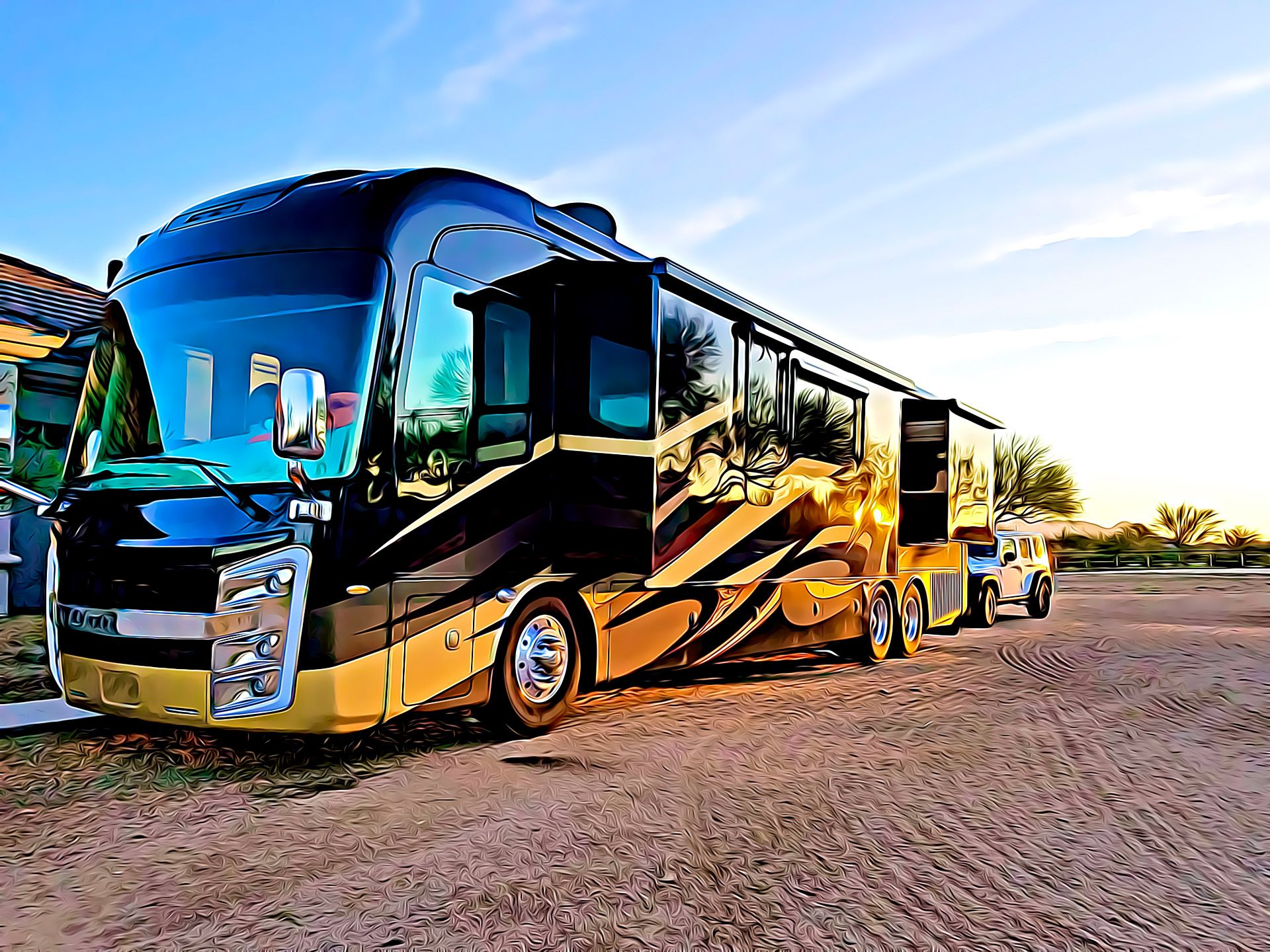
When you're hitting the open road in your camper, comfort and safety go hand in hand. The last thing you want is to feel your motorhome shifting from side to side every time a truck passes or the wind picks up. That’s where RV sway bars come in, helping to stabilize your ride and keep you in control.
Let's explore what RV sway bars are, how they work, and why upgrading from OEM to heavy-duty options is a great way to achieve safer driving and more reliable motorhome sway control.
What is Sway in an RV?
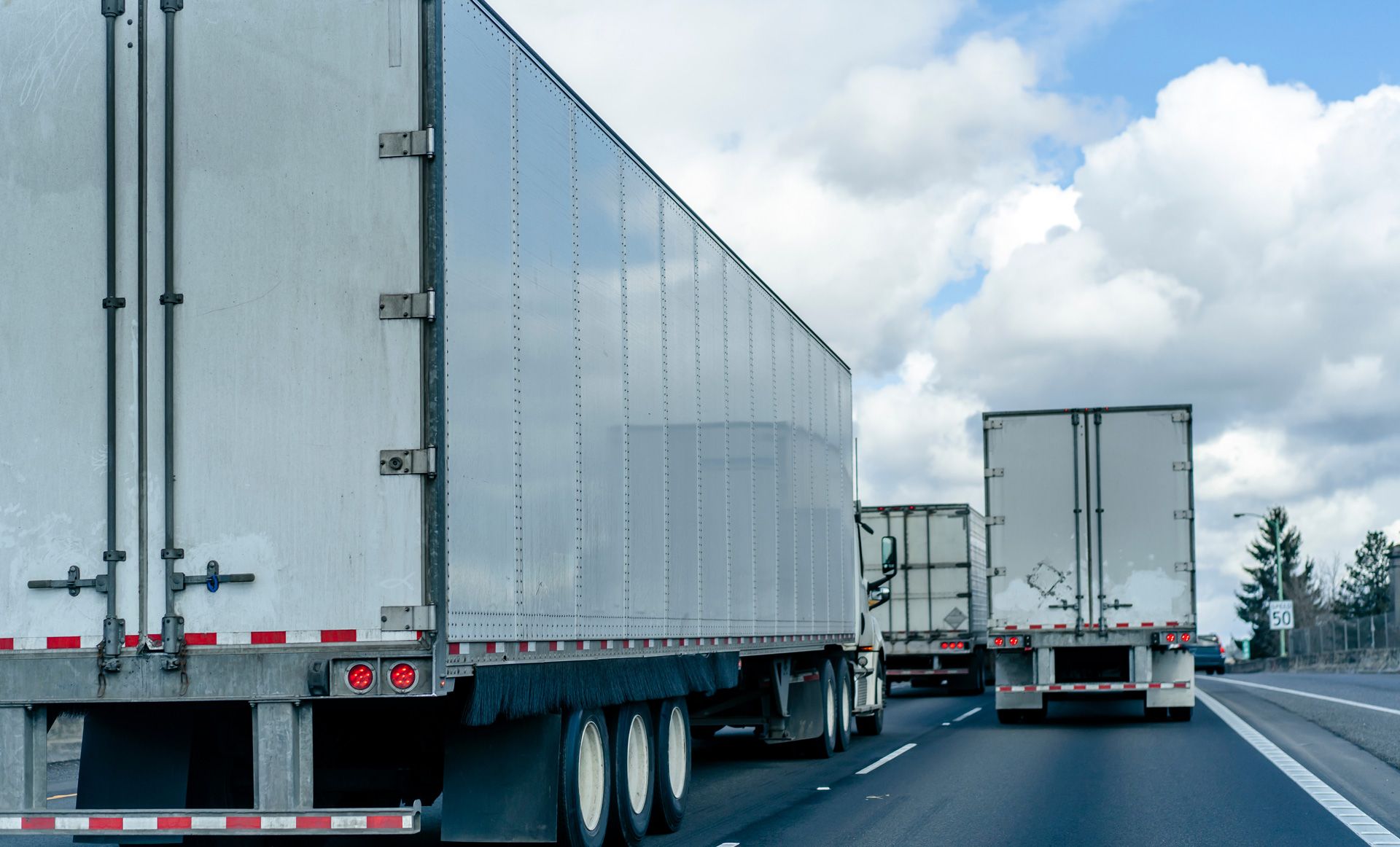
Sway refers to the side-to-side movement of your RV, and it can be caused by a number of things. When you're driving on the highway, crosswinds can push against your motorhome and cause sway. It could also be caused by an uneven distribution of weight inside your RV, or even a gust of wind while you're parked.
In any case, sway can be dangerous because it makes it difficult to control your camper. It can also make rides uncomfortable for passengers and cause unsecured items inside the RV to shift, potentially leading to injury or damage. If you're not careful, sway can cause you to jackknife or even tip over. This is why it's important to have the best sway bars installed on your RV.
What are RV Sway Bars?
RV sway bars are systems that control unwanted movement and keep your rig stable when forces try to push it off balance. For towed RVs, they connect between the tow vehicle and trailer. For motorhomes, they're part of the suspension system. By limiting side-to-side motion, they make it easier to control your RV.
These systems come in different sizes and weights made of steel or aluminium. You'll need to choose one appropriate for your RV type, with installation methods varying from hitch attachments to suspension mounting.
Travel trailers, fifth wheels, and motorhomes each need a sway control system and bar setup suited to their specific design.
How Do RV Sway Bars Work?
The science behind RV sway bars is fairly straightforward. For motorhomes, when your RV leans to one side, the sway bar twists and applies force to the opposite side of the suspension. For towed RVs, sway control devices use friction or cam action to resist trailer movement. This resistance keeps the vehicle more level, reduces body roll, and minimizes sway.
In simple terms, RV sway bars act like a control system between your vehicle and the forces acting on it, ensuring better stability when confronted with uneven forces. For RV owners, this means:
- Less white-knuckle driving during crosswinds.
- More predictable steering and handling.
- Better stability when towing on highways or winding roads.
Benefits of RV Sway Bars
Adding or upgrading sway bars for your RV offers several important benefits:
- Improved safety: Less sway means better control in emergencies, sudden lane changes, or when large trucks pass by.
- Smoother ride: By reducing side-to-side motion, RV sway bars make long trips less stressful for both drivers and passengers.
- Less wear and tear: Stabilizing your RV helps reduce strain on suspension parts, tires, and the frame itself.
- Peace of mind: With sway under control, you can focus more on enjoying the journey and less on fighting the steering wheel.
For most RV owners, the improvement is noticeable right away. You’ll feel more confident behind the wheel, especially in unpredictable weather or on busy highways.
OEM vs. Heavy-Duty Aftermarket Sway Bars
Not all RV sway bars are created equal. Most RVs come equipped with factory-installed sway control systems, but these original equipment manufacturer (OEM) options are generally designed to provide just enough stability for everyday driving. They're often lighter and less robust, which means they may not be up to the task when you're traveling long distances, towing extra weight, or driving through strong winds.
Heavy-duty aftermarket RV sway bars, on the other hand, are built to handle tougher conditions. They're usually more robust, made from stronger materials, and engineered to resist sway more effectively. The result is a noticeable improvement in steering response, cornering, and overall stability.
For drivers who spend a lot of time on highways or regularly encounter unpredictable weather, upgrading to an aftermarket RV sway bar can truly transform the way your RV handles.
Do I Need a Sway Bar for My RV?
If you frequently drive in crosswinds or on highways, then it's a good idea to install RV sway bars that provide superior control against sway on your RV. They'll help keep your camper stable and prevent dangerous swaying. Even if you don't drive in windy conditions often, it's still a good idea to have upgraded RV sway bars installed as a precaution.
There are a few signs that it is definitely time to upgrade the sway bars on your RV:
- If your camper starts to sway at lower speeds, this is a sign that the weight distribution inside your RV is off. RV sway bars will help control the movement and prevent swaying.
- If you find that your RV is difficult to control in high winds, RV sway bars can help with that as well. Crosswinds can cause your RV to sway; sway bars will help stabilize it.
- If you've been in an accident or had a close call due to swaying, then it's definitely time to have your RV sway bars inspected. They could have prevented the incident from happening in the first place.
Get in Touch with Mainline RV & Truck Service for RV Sway Bars
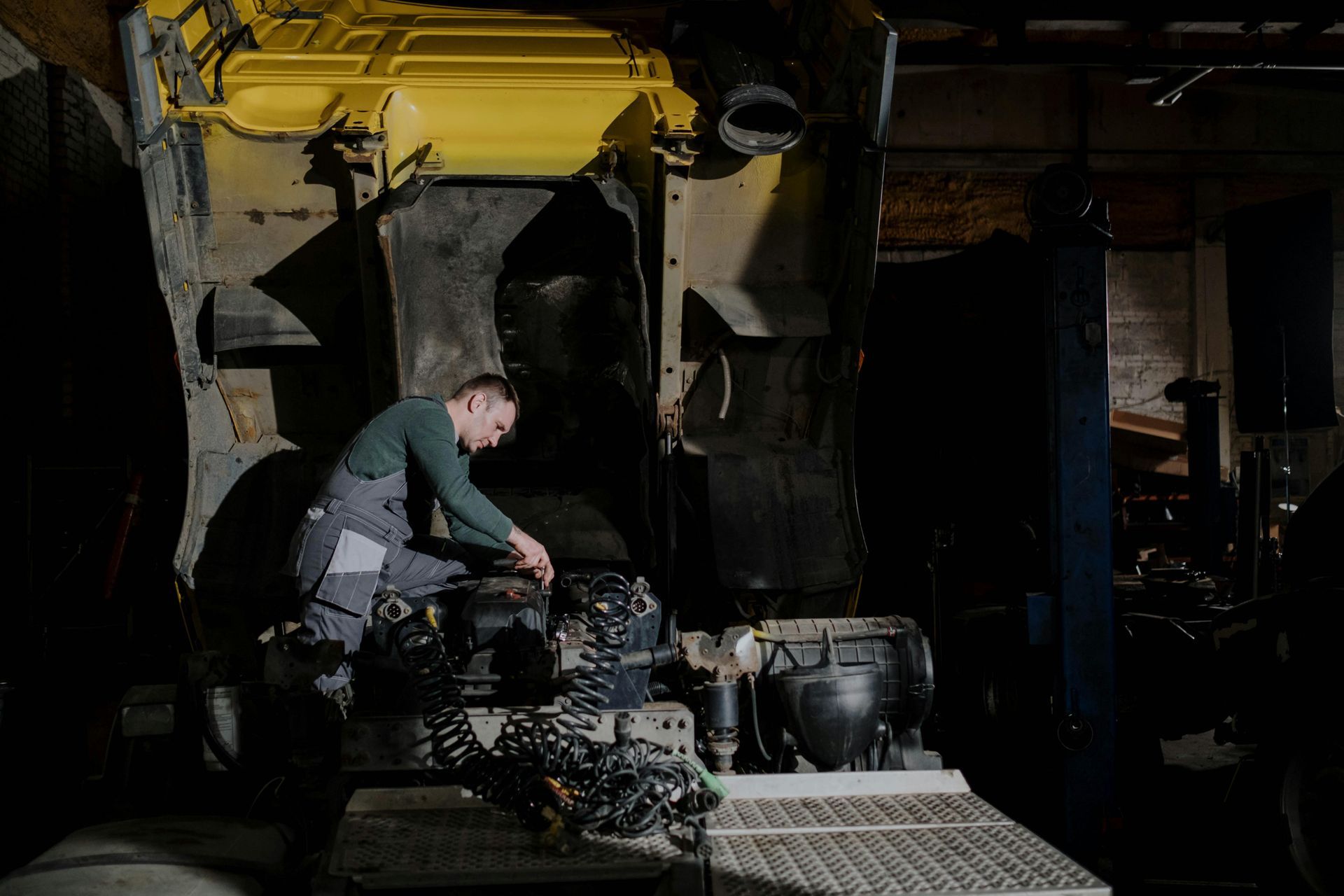
If you're unsure whether your RV needs sway bars or want to upgrade, contact Mainline RV & Truck Service. Our experienced technicians can inspect your RV, provide professional recommendations, and help you choose the right RV sway bars to improve stability and motorhome sway control.
We also offer expert installation services to ensure your RV sway bars are fitted correctly and provide the maximum benefit. Call us today at 440-439-7777 or fill out our online contact form to schedule an appointment or request more information.